
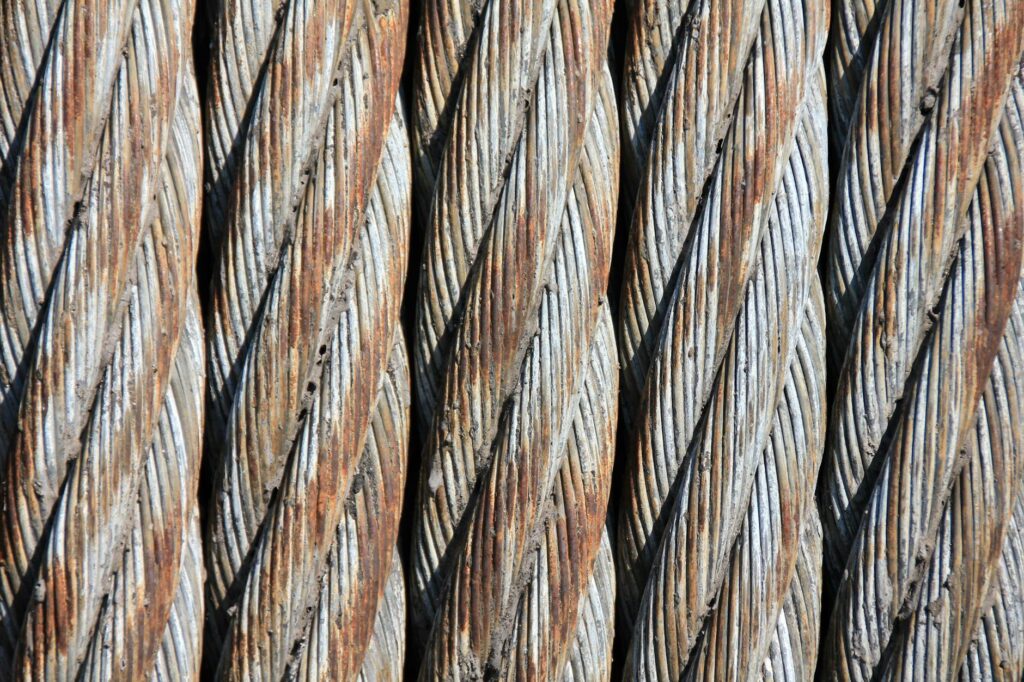
Wire Rope Tools: Your 2026 Essential Guide
Essential wire rope tools are critical for safely and effectively securing, terminating, and manipulating steel cables. This 2026 guide covers the must-have tools, recent innovations, and practical tips for professionals and DIYers alike, ensuring you have the right equipment for any job.
Last updated: April 18, 2026
What Are the Core Wire Rope Tools You Need in 2026?
having the right set of tools isn’t just about efficiency. it’s about safety. In 2026, the core toolkit for wire rope applications remains strong, focusing on reliable methods for termination and securement. These tools are engineered to handle the immense pressures and stresses that wire ropes are subjected to. Think of them as the essential companions to your steel cables, ensuring they perform exactly as intended, whether you’re lifting heavy loads, securing a structure, or rigging a stage.
The primary goal of these tools is to create secure, durable connections that won’t fail under load. This involves methods like crimping, clamping, and splicing. Each method requires specific tools designed for precision and strength. For instance, a poorly executed crimp can lead to a catastrophic failure — which is why understanding and using the correct tools is really important. We’ll break down the most critical ones you should have in your arsenal.
Understanding Different Wire Rope Termination Tools
Creating a safe and reliable end termination for wire rope is where most specialized tools come into play. The method you choose will dictate the tools you need. The most common and effective methods in 2026 involve swaging (crimping) and using wire rope clips (also known as U-bolts or clamps). Each has its own set of advantages and specific tooling requirements.
Swaging/Crimping Tools
Swaging involves permanently deforming a metal sleeve or ferrule around the wire rope to create a loop or termination. Here’s often considered the most professional and strongest method when done correctly. The tools used for this are typically:
- Manual Swagers: These are hand-operated tools, suitable for smaller diameter ropes and lighter-duty applications. They require significant hand strength and precision.
- Hydraulic Swagers: For larger diameter ropes and critical applications, hydraulic swagers are the industry standard. These powerful tools use hydraulic fluid to generate immense force, ensuring a consistent and secure crimp. Brands like Panduit and Hansen Global offer high-quality hydraulic crimping tools for various applications.
- Dies: Both manual and hydraulic swagers require specific dies that match the size of the ferrule (sleeve) being used. Using the wrong die can result in an inadequate crimp or damage to the ferrule.
It’s Key to use the correct size ferrule and swaging die for your specific wire rope diameter. Manufacturers often provide detailed charts to ensure proper selection. For example, a 1/4-inch wire rope will require a specific size ferrule and corresponding die for optimal swaging.
Wire Rope Clips (U-Bolts/Clamps)
Wire rope clips are a more accessible and field-repairable method for creating loops. They consist of a U-shaped bolt, a saddle, and two nuts. The rope is passed through the loop, and the clips are tightened onto the ‘dead end’ of the rope to secure the loop. The primary tool for this method is a:
- Wrench: Typically a socket wrench or adjustable wrench is used to tighten the nuts on the U-bolt. Proper torque is essential.
The ‘never saddle a dead horse’ rule is critical here: the U-bolt part of the clip should always be on the live (load-bearing) end of the rope, with the saddle on the dead end. Using too few clips, placing them incorrectly, or not tightening them sufficiently are common mistakes that compromise safety. For a standard 1/4-inch wire rope, manufacturers like GripClips often recommend at least three clips, spaced appropriately.
Essential Cutting and Measuring Tools for Wire Rope
Before you can terminate wire rope, you often need to cut it to the correct length and measure it accurately. While basic tools can suffice for some tasks, specialized equipment ensures clean cuts and precise measurements, contributing to a better final product and safer application.
Cable Cutters
Cutting wire rope requires significant force and a sharp, durable cutting edge. Standard wire cutters are generally insufficient. The most common tools are:
- Bolt Cutters: For smaller diameter, softer ropes, heavy-duty bolt cutters can sometimes work, but they often crush the rope ends rather than providing a clean cut.
- Cable Cutters: These are In particular designed for wire rope. They come in various types:
- Manual Cable Cutters: Similar to bolt cutters but with hardened jaws optimized for wire rope.
- Ratchet Cable Cutters: These use a ratcheting mechanism to provide use, making them easier to use for medium-duty cutting.
- Hydraulic Cable Cutters: For heavy-duty applications and larger diameter ropes, hydraulic cutters offer the power needed for a clean, efficient cut.
- Rope Measuring Tools: Some specialized tools can measure rope length as it’s being unspooled.
- Calipers: For precisely measuring wire rope diameter, especially before selecting ferrules or clips.
- Standard/Eye Thimbles: The most common type.
- Heavy-Duty Thimbles: For higher stress applications.
- Rope Diameter: This is the most critical factor. Ensure tools are rated for the specific diameter range of your wire rope.
- Material Strength: Consider the tensile strength of your rope. Tools must be strong enough to handle it.
- Application: Is it for lifting, static load, or general use? Critical lifting applications demand the highest quality and most reliable tools.
- Portability: For mobile work, lightweight and compact tools are preferable.
- Budget vs. Quality: While budget is a factor, for safety-critical applications, investing in high-quality, reputable brands is non-negotiable.
- Cleanliness: Keep tools clean, especially cutting edges and jaws, to prevent debris from affecting performance.
- Lubrication: Moving parts, like the pivot points on manual cutters or hydraulic ram seals, should be lubricated regularly.
- Inspection: Regularly inspect tools for wear, cracks, or damage. Check cutting edges for nicks and hydraulic hoses for leaks.
- Storage: Store tools in a dry environment, protected from the elements, to prevent rust and corrosion. A dedicated toolbox or kit is ideal.
- Calibration: For critical applications, hydraulic tools may require periodic calibration to ensure they’re delivering the correct pressure and force. Refer to the manufacturer’s guidelines, such as those provided by Crosby, a leading name in rigging hardware.
A clean cut is vital, especially before swaging, as it ensures the ferrule can properly seat and grip the entire rope cross-section. Brands such as Klein Tools and Occidental Leather (though known for tool belts, they offer related accessories and quality tools) provide reliable cutting solutions.
Measuring Tools
Accurate measurement is key for ensuring you cut the correct length and that your finished assembly meets specifications. Standard measuring tapes are essential, but for wire rope, you might also need:
Understanding Supporting Wire Rope Hardware and Tools
Beyond termination and cutting, several other pieces of hardware and their associated tools are Key for working with wire rope effectively and safely. These components help in lifting, connecting, and adjusting tension.
Thimbles
Thimbles are U-shaped metal inserts placed inside a wire rope loop. They protect the rope from abrasion and crushing when the loop is under load or connected to another fitting. They come in various types, including:
The primary ‘tool’ here’s ensuring you select the correct size thimble for your wire rope diameter. Manufacturers like Campbell Chain offer a lots of thimble sizes.
Shackles
Shackles are connecting links, often U-shaped or D-shaped, used to attach wire rope slings or other hardware. They typically feature a threaded pin or bolt. Tools needed are usually wrenches to tighten the pin securely. Common types include anchor shackles and chain shackles.
Turnbuckles
Turnbuckles are used to tension wire rope. They consist of a body with internal threads and two end fittings (hooks, eyes, or jaws) with opposing threads. Turning the body adjusts the tension. The primary tool is a wrench to grip the body or end fittings and make adjustments.
Innovations and What’s New in Wire Rope Tools for 2026
While the fundamental principles of wire rope tooling remain consistent, 2026 sees advancements focused on enhanced safety, efficiency, and ease of use. The drive towards greater precision and automation is evident, especially in professional rigging and industrial settings.
Smart Crimping Technology
Newer hydraulic swaging tools are incorporating smart technology. These systems can monitor crimp force, number of crimps, and even communicate with software to log data for compliance and quality control. This ensures that each termination meets exact specifications every time, reducing the risk of human error.
Ergonomic and Lightweight Designs
Manufacturers are increasingly focusing on ergonomics. Lighter materials and improved handle designs for manual tools, and more compact, lighter hydraulic units, are making them easier to handle and transport, reducing operator fatigue on job sites. Here’s especially beneficial for tasks requiring repetitive use.
Advanced Cutting Materials
The blades in cable cutters are being made from even more durable, advanced alloys. This means they maintain their sharpness longer, provide cleaner cuts on tougher rope materials, and last longer before needing replacement. Companies like Allied Wire Rope are at the forefront of supplying advanced rope materials and the tools to work with them.
Enhanced Safety Features
Some newer tools incorporate safety interlocks, pressure release valves, and improved guarding to prevent accidental activation or injury. For example, hydraulic tools might have automatic shut-offs or require a two-hand operation to engage.
How to Choose and Maintain Your Wire Rope Tools
Selecting the right tools and maintaining them properly is key to their longevity and your safety. The choice depends heavily on the type and diameter of wire rope you’ll be working with, as well as the frequency and nature of the tasks.
Selection Criteria
Maintenance Best Practices
Proper maintenance ensures your tools perform reliably and safely:
A common mistake is using tools for applications they weren’t designed for, such as using a small swager on a large rope, or a dull cutter. This not only yields poor results but can also be dangerous. Always consult the manufacturer’s specifications for your tools and wire rope.
The global market for wire rope accessories, including tools, is projected to grow steadily, driven by infrastructure development and increased industrial activity, indicating a sustained demand for reliable and advanced tooling solutions. (Source: Industry Analyst Report, 2025)
Frequently Asked Questions
what’s the most common wire rope tool?
The most common wire rope tools are wire rope clips (U-bolts) and manual cable cutters. Clips are widely used for securing loops in various applications due to their ease of use and availability, while cable cutters are essential for preparing the rope.
How do I know what size wire rope tools to use?
Tool size is determined by the diameter of the wire rope. Always check the tool’s specifications or the manufacturer’s recommendations to ensure it’s rated for your specific wire rope diameter. Using undersized or oversized tools can lead to failure.
Are hydraulic swagers better than wire rope clips?
Hydraulic swagers, when used with the correct ferrules and procedures, generally provide a stronger, more reliable, and permanent termination than wire rope clips. Clips are easier to install in the field but can loosen over time and are considered less secure for critical applications.
How often should wire rope tools be inspected?
Wire rope tools should be inspected before each use, with more thorough inspections conducted periodically (e.g., monthly or quarterly) depending on usage frequency and the criticality of the application. Look for wear, damage, and proper functionality.
Can I use regular pliers to crimp wire rope sleeves?
No, regular pliers aren’t sufficient for crimping wire rope sleeves (ferrules). Specialized swaging or crimping tools are required to apply the necessary pressure to deform the sleeve and create a secure termination. Using pliers will result in an unsafe connection.
Get the Right Wire Rope Tools for Your Projects
use of the correct wire rope tools is fundamental for anyone working with steel cables. From ensuring a safe termination with precise swaging or secure clipping, to making clean cuts and using essential hardware like thimbles and shackles, the right tools make all the difference. As we’ve seen in 2026, innovation continues to bring more efficient and safer options to the market. Always prioritize quality, proper selection, and diligent maintenance to guarantee the integrity and longevity of your wire rope applications.
Source: Britannica
Editorial Note: This article was researched and written by the Axela note editorial team. We fact-check our content and update it regularly. For questions or corrections, contact us.