
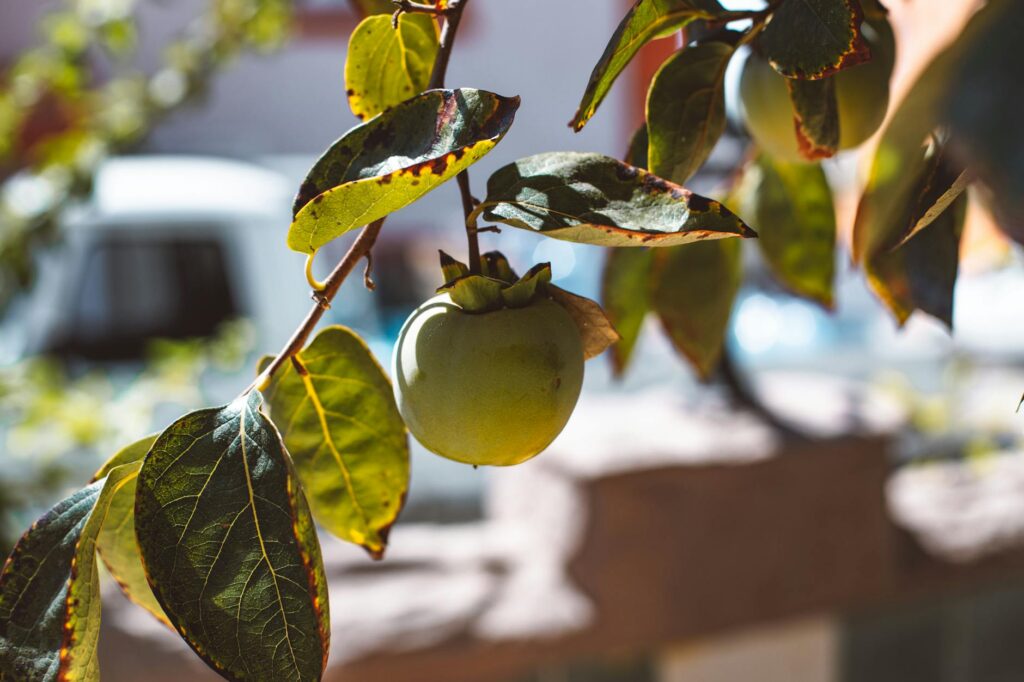
Spanish Persimmon: Budget-Friendly Flavor
This guide covers everything about spanish persimon. The Spanish persimmon is a delightful fruit that offers incredible flavor and nutritional benefits without costing a fortune. If you’re looking for a way to enjoy a unique, delicious, and healthy treat that’s kind to your wallet, the Spanish persimmon is an excellent choice. It’s a fruit that proves you don’t need to spend a lot to eat well, offering a sweet, mild taste and versatile uses that make it a fantastic addition to any budget-conscious diet.
Last updated: April 18, 2026
Table of Contents
- What Exactly is a Spanish Persimmon?
- Cost and Value of Spanish Persimmons
- Smart Shopping: How to Buy Spanish Persimmons on a Budget
- Key Spanish Persimmon Varieties to Know
- Preparing Your Spanish Persimmons for Maximum Enjoyment
- Budget-Friendly Spanish Persimmon Recipe Ideas
- Frequently Asked Questions
What Exactly is a Spanish Persimmon?
A Spanish persimmon is a specific type of fruit, most commonly the ‘Rojo Brillante’ variety, cultivated and originating from Spain. Unlike some other persimmon types, these are typically non-astringent when firm, meaning you can eat them right out of hand like an apple without waiting for them to become super soft. They boast a rich, sweet flavor with hints of honey and apricot, and their vibrant orange skin makes them visually appealing.
Cost and Value of Spanish Persimmons
When we talk about value, we’re not just looking at the price tag. We’re considering the entire package: taste, nutrition, versatility, and how long they last. Spanish persimmons, especially the ‘Rojo Brillante’ variety, often hit a sweet spot in terms of cost-effectiveness.
Compared to exotic fruits or out-of-season staples, Spanish persimmons can be surprisingly affordable, especially when they’re in season. Their firm texture means they travel well and have a longer shelf life than softer fruits, reducing waste and stretching your grocery budget further. A single Spanish persimmon can often be enjoyed over several days or incorporated into multiple dishes, amplifying its value.
Nutritionally, they pack a punch with Vitamin A, Vitamin C, and fiber. This makes them a healthy choice that contributes to overall well-being, adding another layer to their excellent value proposition. You’re getting a nutrient-dense food that supports your health without a premium price.
🎬 Related Video
📹 spanish persimon — Watch on YouTube
Smart Shopping: How to Buy Spanish Persimmons on a Budget
Getting the best deal on Spanish persimmons is all about knowing where and when to look. It’s not just about grabbing the first ones you see. a little strategy goes a long way in maximizing your savings.
Firstly, timing is everything. The peak season for Spanish persimmons is generally from October to March. During these months, supply is high, and prices tend to drop. Keep an eye out at your local grocery stores and, importantly, at farmers’ markets.
Farmers’ markets can be goldmines for budget-friendly produce. You often cut out the middleman, and vendors might be more willing to offer deals on bulk purchases or slightly imperfect (but still delicious) fruit. Don’t be afraid to ask about pricing or if they have any ‘seconds’ available.
Consider buying in larger quantities if you have the storage space and plan to use them. Many stores offer better per-pound pricing when you buy a bag or a larger box. If you find a great deal, you can store them properly to enjoy them over several weeks.
Finally, compare prices across different retailers. A large supermarket might have lower prices than a specialty grocer. Online research or a quick call to local stores can help you pinpoint the best deals before you even leave home.
[IMAGE alt=”A person selecting Spanish persimmons at a farmers market” caption=”Choosing Spanish persimmons at a vibrant farmers market.”]
Key Spanish Persimmon Varieties to Know
While the term ‘Spanish persimmon’ often refers to fruits from Spain, the most famous and widely available variety is ‘Rojo Brillante’. Understanding this specific type is key to appreciating their value and how to enjoy them.
Rojo Brillante: This is the star player. It’s a non-astringent variety, meaning it’s sweet and edible even when firm. Its flesh is firm yet juicy, with a smooth texture and a rich, sweet flavor profile. It’s the variety most commonly exported and found in European and North American markets. Its ability to be eaten firm makes it incredibly convenient and versatile.
While less common in international markets but still relevant to Spanish cultivation, you might encounter other local varieties. However, for the budget-conscious shopper looking for reliability and widespread availability, ‘Rojo Brillante’ is your go-to. Its consistent quality and forgiving nature often marketed as ‘Sharon fruit’ outside of Spain, is a highly cultivated variety known for its sweet taste and firm texture, making it ideal for both snacking and cooking. (Source: [Official Spanish Agriculture Ministry Data](https://www.mapa.gob.es/es/))
Preparing Your Spanish Persimmons for Maximum Enjoyment
One of the best things about Spanish persimmons, especially ‘Rojo Brillante’, is how easy they’re to prepare and eat. This simplicity directly contributes to their value, as less fuss means more enjoyment for your time and money.
Eating Fresh: The simplest method is to wash the fruit and eat it whole, like an apple or pear. You can eat the skin, or peel it if you prefer. The flesh is firm and sweet, making it a perfect on-the-go snack. This requires zero preparation time and yields immediate satisfaction.
Slicing: For salads, cheese boards, or just easier eating, slice the persimmon. Cut it in half from top to bottom, then slice into wedges. You can remove the small, inedible seeds if present, though ‘Rojo Brillante’ often has few or none. The visual appeal of the bright orange slices is also a bonus.
Dicing: For use in recipes like smoothies, yogurt parfaits, or baked goods, dice the persimmon. Remove the stem and any seeds, then cut into small cubes.
Storage: Spanish persimmons are best stored at room temperature until ripe. Once ripe, they can be refrigerated for a few days to slow down the ripening process. Proper storage ensures you can enjoy them at their peak without spoilage, further enhancing their cost-effectiveness.
Storage Guide
- Keep unripe persimmons at room temperature away from direct sunlight.
- Once ripe (slightly soft to the touch), move them to the refrigerator.
- Store them in a single layer to prevent bruising.
- They typically last 1-2 weeks when refrigerated.
[IMAGE alt=”Sliced Spanish persimmon on a cutting board” caption=”Beautifully sliced Spanish persimmons, ready for snacking or recipes.”]
Budget-Friendly Spanish Persimmon Recipe Ideas
Incorporating Spanish persimmons into your meals is a fantastic way to add flavor and nutrients without straining your budget. Their natural sweetness means you often need less added sugar in recipes, saving you money and making your dishes healthier.
Persimmon &. Spinach Salad: Combine sliced Spanish persimmons with fresh spinach, a handful of walnuts or pecans, and a simple vinaigrette. The sweetness of the persimmon perfectly balances the earthy spinach and the crunch of the nuts. This makes for a light, healthy, and inexpensive lunch.
Persimmon Smoothie: Blend a ripe Spanish persimmon (peeled and seeded) with a banana, a splash of almond milk or yogurt, and a touch of honey or cinnamon. It’s a quick, nutritious, and satisfying breakfast or snack that costs pennies per serving.
Yogurt Parfait Topping: Dice ripe Spanish persimmons and layer them with Greek yogurt and a sprinkle of granola. It’s a simple yet elegant way to elevate your morning routine or an afternoon snack.
Baked Goods: While not as common as apples or bananas, persimmons can be diced and added to muffin or quick bread recipes. Their moisture and sweetness can even allow you to reduce the amount of oil or sugar needed.
Cheese Board Addition: Serve slices of firm Spanish persimmon alongside your favorite cheeses. The fruit provides a beautiful color contrast and a refreshing sweetness that complements both hard and soft cheeses wonderfully.
- Naturally sweet, reducing need for added sugars in recipes.
- Nutrient-dense, offering vitamins and fiber for health.
- Long shelf life when stored properly, minimizing waste.
- Versatile for snacking, salads, smoothies, and more.
- Often affordably priced during their peak season.
- Price can be higher out of season or in certain regions.
- Availability can be limited outside of peak months.
- Requires careful selection to ensure non-astringent varieties.
Frequently Asked Questions
What makes Spanish persimmons a good value?
Spanish persimmons offer excellent value due to their naturally sweet flavor, rich nutrient profile, and long shelf life. they’re typically affordable when in season, and their versatility in recipes allows for multiple uses, minimizing waste and maximizing enjoyment per purchase.
Are Spanish persimmons expensive?
Generally, Spanish persimmons aren’t considered expensive, especially when compared to other out-of-season fruits or specialty produce. Their price point is often very competitive during their peak season, making them an accessible and budget-friendly option for many consumers.
How do I know if a Spanish persimmon is ripe and ready to eat?
Spanish persimmons, especially the ‘Rojo Brillante’ variety, are ripe when they’re firm but yield slightly to gentle pressure. They should have a vibrant orange color and a smooth, unblemished skin. Unlike astringent varieties, they aren’t meant to be mushy when ripe.
Can I freeze Spanish persimmons?
Yes, you can freeze Spanish persimmons for later use, though their texture will change. Peel and slice them before freezing on a baking sheet, then transfer to a freezer bag. they’re best used in smoothies, baked goods, or purees after thawing.
What’s the difference between a Spanish persimmon and other types?
The primary difference lies in their astringency and cultivation origin. Spanish persimmons, like ‘Rojo Brillante’, are typically non-astringent and firm when ripe, making them easy to eat. Other types, like Hachiya, are astringent and must be very soft before consumption.
Enjoying Delicious Spanish Persimmons on a Budget
The Spanish persimmon stands out as a truly budget-friendly fruit that doesn’t compromise on taste or nutritional quality. From its appealing sweetness and firm texture to its ease of preparation and storage, it offers a fantastic return on investment for your grocery spending. By shopping wisely during its peak season and exploring its versatility in simple recipes, you can savor this unique fruit without overspending. Make the Spanish persimmon a regular part of your healthy, cost-conscious diet and discover a delicious way to eat well on a budget.
Source: FDA
Editorial Note: This article was researched and written by the Axela note editorial team. We fact-check our content and update it regularly. For questions or corrections, contact us.