
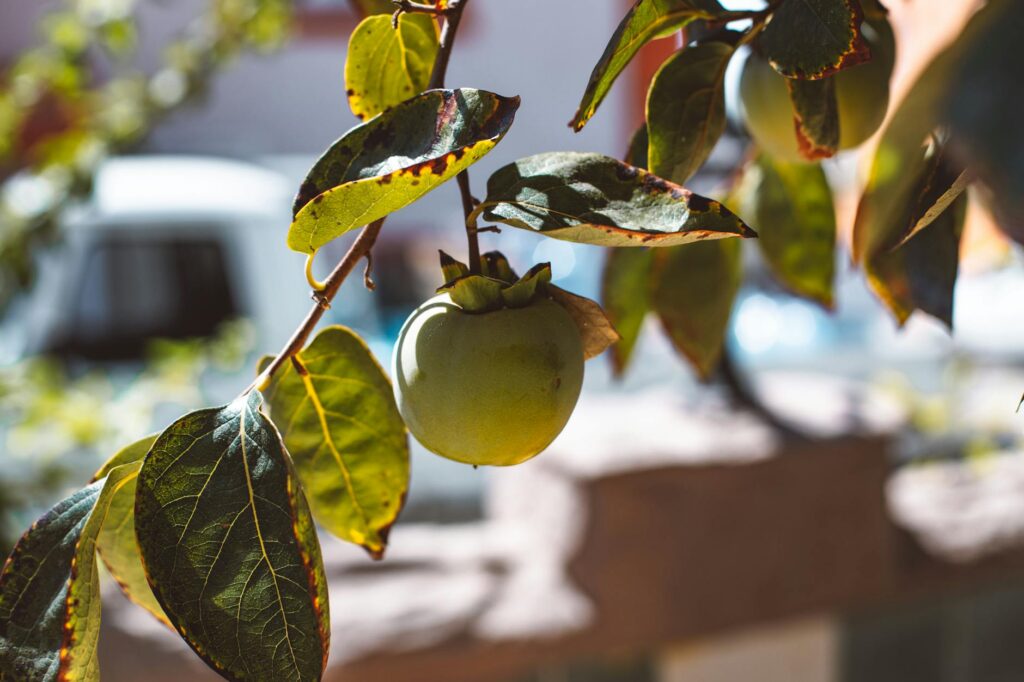
Kaki vs Persimmon: What’s the Difference?
When you see a vibrant orange fruit, you might call it a persimmon. But what about a kaki? The terms ‘kaki’ and ‘persimmon’ often get used interchangeably, leading to confusion. basically, kaki is the Japanese word for persimmon, and in many parts of the world, especially outside North America, ‘kaki’ In particular refers to the Japanese persimmon (Diospyros kaki) — which is the most common type grown and consumed globally. Think of it like this: all kakis are persimmons, but not all persimmons are necessarily the same type of kaki you might be familiar with. This guide will help you understand the subtle differences, how to choose them, and how to enjoy them.
Last updated: April 2026.
What Exactly is a Kaki Fruit?
A kaki fruit is a type of persimmon, In particular the species Diospyros kaki — which is native to China and widely cultivated in East Asia. When people use the term ‘kaki’ in a culinary or grocery context, they’re usually referring to this specific species — which encompasses many varieties. These fruits are known for their distinct sweet flavor and unique texture when ripe.
The botanical name, Diospyros kaki, literally translates to ‘fruit of the gods’ from Greek and ‘kaki’ from Japanese. It’s a member of the Ebenaceae family — which also includes ebony wood. The most common varieties like Fuyu and Hachiya fall under this species umbrella.
[IMAGE alt=”A basket overflowing with ripe kaki fruits, showcasing their vibrant orange hue and round shape.” caption=”Kaki fruits, primarily of the Diospyros kaki species, are a delightful treat.”]
Persimmon Family
The term ‘persimmon’ is broader and can refer to several species within the Diospyros genus. While Diospyros kaki is the most commercially significant and widely recognized, other species exist, such as the American persimmon (Diospyros virginiana) and the Texas persimmon (Diospyros texana). These different species can have varying flavors, textures, and levels of astringency.
The key takeaway is that ‘persimmon’ is the common name for a fruit from the Diospyros genus, and ‘kaki’ is the common name for the most popular species within that genus, Diospyros kaki. So, when you’re at the supermarket, the orange fruit you’re likely buying is a kaki persimmon.
Kaki vs Persimmon: Key Differences in Taste and Texture
The primary differences between various types of persimmons, often discussed under the kaki vs persimmon umbrella, lie in their taste and texture, especially concerning astringency. Astringency is that puckering, drying sensation in your mouth, similar to biting into an unripe banana. Not all persimmons have it, and those that do require careful preparation.
Broadly, persimmons are categorized into two types based on astringency:
- Non-Astringent: These can be eaten firm, much like an apple. The Fuyu variety is the most popular non-astringent persimmon. They have a mild, sweet flavor and a crisp texture when firm.
- Astringent: These must be fully soft and jelly-like before eating to avoid intense astringency. The Hachiya variety is a classic example. When unripe, they’re inedible due to their strong puckering quality.
So, while a Fuyu is a kaki persimmon, and a Hachiya is also a kaki persimmon, their eating experience differs significantly. The American persimmon (Diospyros virginiana) is typically very astringent and often smaller than its Asian counterparts.
🎬 Related Video
📹 kaki vs persimmon — Watch on YouTube
Popular Varieties: Fuyu and Hachiya Explained
To truly grasp kaki vs persimmon, let’s look at the two most common varieties of Diospyros kaki found in Western markets: Fuyu and Hachiya. These represent the non-astringent and astringent categories, respectively.
Fuyu Persimmon:
- Shape: Squat, tomato-like, with four distinct lobes.
- Texture: Firm and crisp when ripe, similar to an apple.
- Taste: Mildly sweet, refreshing.
- Astringency: Non-astringent. Can be eaten fresh, sliced, or diced.
- When to Eat: When firm and fully orange.
Hachiya Persimmon:
- Shape: Acorn or teardrop-shaped.
- Texture: Jelly-like, very soft and custardy when fully ripe.
- Taste: Richly sweet, honey-like.
- Astringency: Highly astringent when firm. MUST be completely soft and almost translucent to be edible.
- When to Eat: When very soft, skin might appear bruised or wrinkled.
Understanding these two varieties is key to enjoying persimmons. The Fuyu is the beginner-friendly option, perfect for salads or snacking. The Hachiya requires patience but offers an intensely sweet, unique dessert experience.
[IMAGE alt=”A split Hachiya persimmon showing its soft, jelly-like interior.” caption=”Hachiya persimmons are best enjoyed when very soft and custardy.”]
How to Tell if a Kaki or Persimmon is Ripe
Determining ripeness is Key, especially when comparing kaki vs persimmon types. For Fuyu persimmons, ripeness is indicated by a deep orange color and a firm, smooth skin. They should feel heavy for their size. You can eat them while they’re still firm.
For Hachiya persimmons, ripeness is a different story. They need to be extremely soft. The skin should be almost translucent, and the fruit should feel like a water balloon – very yielding. If you try to eat a Hachiya that isn’t fully ripe, you’ll experience an intense, unpleasant astringency that will make you pucker.
The global production of persimmons is significant, with China being the largest producer, accounting for over 85% of the world’s supply according to the Food and Agriculture Organization of the United Nations (FAOSTAT) data from recent years.
Culinary Uses: Kaki vs Persimmon in the Kitchen
The way you use a kaki or persimmon in the kitchen depends entirely on its variety and ripeness. Here’s where the kaki vs persimmon distinction really matters for home cooks.
Using Non-Astringent Persimmons (like Fuyu):
- Raw: Slice them thinly and eat them like apples, or dice them into salads, fruit medleys, or yogurt parfaits.
- Baked Goods: Their firm texture holds up well when baked in muffins, breads, or cookies.
- Savory Dishes: Add sliced Fuyus to grain bowls, alongside roasted meats, or in light salsas.
Using Astringent Persimmons (like Hachiya):
- Pureed: Once very soft, scoop out the flesh and puree it. This pulp is excellent for baking.
- Desserts: Hachiya pulp is famously used in persimmon pudding, cakes, cookies, and custards. It adds moisture and a unique sweet flavor.
- Smoothies: A spoonful of ripe Hachiya pulp can add natural sweetness and creaminess to smoothies.
If you’re unsure which type you have, it’s always safer to assume it’s astringent and wait for it to soften completely, or test a tiny bit. For recipes, Fuyus are more versatile for raw applications, while Hachiyas shine in baked goods and desserts.
Can You Eat Kaki Raw?
Yes, absolutely! Kaki fruits, especially the non-astringent varieties like Fuyu, are delicious when eaten raw. They can be enjoyed whole (after washing), sliced into wedges, or diced. The key is choosing a variety that’s non-astringent and ripe. Fuyu persimmons are perfect for raw consumption due to their crisp texture and mild sweetness, making them a great healthy snack or addition to meals.
Astringent varieties like Hachiya can also be eaten raw, but only when they have reached peak ripeness – meaning they’re soft and jelly-like. At this stage, the astringency is gone, and the flesh is sweet and smooth, perfect for scooping directly from the skin or blending into other dishes.
Comparison Table: Kaki vs Persimmon Varieties
| Feature | Fuyu Persimmon (Non-Astringent Kaki) | Hachiya Persimmon (Astringent Kaki) | American Persimmon (Diospyros virginiana) |
|---|---|---|---|
| Shape | Squat, flat, tomato-like | Acorn, teardrop-shaped | Round to oval, smaller |
| Texture (Ripe) | Firm, crisp, apple-like | Soft, jelly-like, custardy | Soft, pudding-like (when ripe) |
| Taste (Ripe) | Mildly sweet, refreshing | Richly sweet, honey-like | Sweet, can be tart or musky |
| Astringency | None | High (until fully soft) | Very high (until fully soft) |
| How to Eat | Raw (sliced, diced), baked | Pureed, in baked goods, smoothies | Best cooked or after frost |
| Origin | Japan (Diospyros kaki) | Japan (Diospyros kaki) | North America (Diospyros virginiana) |
Frequently Asked Questions
what’s the main difference between kaki and persimmon?
The main difference is semantic: ‘kaki’ is the Japanese word for persimmon, and in Western contexts, it often refers In particular to the Japanese species, Diospyros kaki. All kakis are persimmons, but ‘persimmon’ can also refer to other species like the American persimmon.
Are kaki fruits sweet?
Yes, ripe kaki fruits are typically sweet. Non-astringent varieties like Fuyu have a mild sweetness when firm, while astringent varieties like Hachiya develop a rich, honey-like sweetness when they become very soft and jelly-like.
Can you eat the skin of a persimmon?
For non-astringent varieties like Fuyu, the skin is edible and can be eaten raw. For astringent varieties like Hachiya, the skin is generally not eaten, as the flesh inside is scooped out once it’s soft enough. Always wash the fruit thoroughly regardless of how you plan to eat it.
What happens if you eat an unripe Hachiya persimmon?
Eating an unripe Hachiya persimmon will result in an intensely unpleasant, mouth-puckering astringency. This sensation is due to tannins and can linger, making the fruit inedible until it’s fully soft and ripe.
Are kaki and persimmon healthy?
Yes, both kaki and other persimmons are very healthy. they’re good sources of vitamins A and C, fiber, and antioxidants. Their natural sweetness makes them a nutritious alternative to processed snacks.
Choosing and Storing Your Persimmons
When selecting persimmons, choose based on the variety. For Fuyus, look for firm, bright orange fruits with unblemished skin. For Hachiyas, seek out fruits that are very soft, almost jelly-like, with potentially wrinkled or bruised-looking skin. Store Fuyus at room temperature for a few days or in the refrigerator to slow ripening. Hachiyas should be stored at room temperature until they soften completely. once soft, they can be refrigerated for a day or two but are best consumed quickly.
world of kaki vs persimmon might seem complex at first, but key differences between varieties like Fuyu and Hachiya makes all the difference. Whether you prefer the crisp bite of a Fuyu or the sweet indulgence of a ripe Hachiya, these versatile fruits offer a delightful taste of autumn and winter. Enjoy exploring their unique flavors!
Source: FDA
Editorial Note: This article was researched and written by the Axela note editorial team. We fact-check our content and update it regularly. For questions or corrections, contact us.