Cosmetic Bottle Suppliers: Your Essential Guide
Hey there! If you’re launching a new beauty line or looking to refresh your existing products, you’re probably deep in the trenches of finding the perfect packaging. And let’s be honest, among all the decisions, sourcing the right cosmetic bottle suppliers can feel like a monumental task. It’s not just about pretty containers; it’s about quality, reliability, and ensuring your brand vision comes to life without a hitch. I’ve spent years working with brands, and I can tell you that the supplier you choose directly impacts your product’s shelf appeal, user experience, and even your bottom line.
Think of your bottle as the first handshake your customer has with your product. It needs to feel good, look good, and function flawlessly. Getting this wrong can lead to frustrating delays, costly mistakes, and damaged brand reputation. But don’t worry, I’m here to break down exactly what you need to know to find partners who will help your brand shine.
Why Choosing the Right Cosmetic Bottle Supplier Matters
When I first started in this industry, I underestimated the impact packaging suppliers had. I thought it was just a commodity. Oh, how wrong I was! The right supplier isn’t just a vendor; they’re a partner. They influence your product’s safety, shelf life, user experience, and how your brand is perceived.
A reliable supplier ensures consistent quality, adheres to your specifications, and meets delivery deadlines. This is vital, especially in the fast-paced beauty market where trends can shift quickly. Conversely, a poor choice can lead to inconsistent batch quality, damaged goods upon arrival, and missed launch dates. I recall one brand I worked with that faced significant delays because their supplier couldn’t meet the agreed-upon production schedule, costing them valuable market share.
Key Factors When Selecting Cosmetic Bottle Suppliers
So, what should you be looking for? It’s a multi-faceted decision. Here are the non-negotiables I always assess:
1. Quality and Material Options
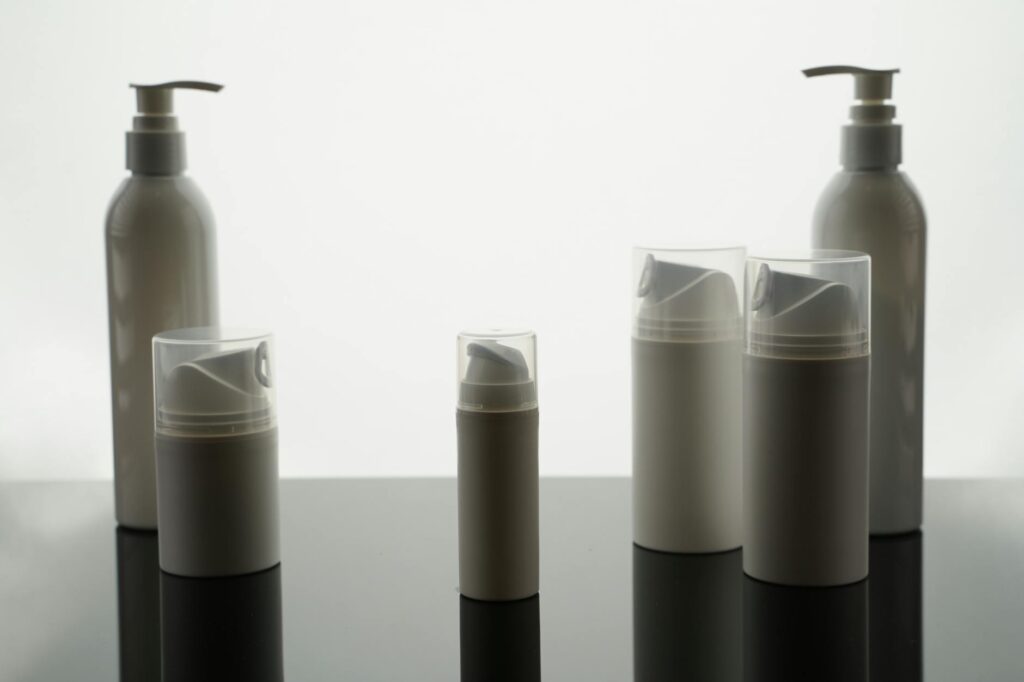
The material of your bottle directly affects the product inside. Glass offers a premium feel and excellent barrier properties, making it ideal for sensitive formulations. However, it’s heavier and fragile. Plastics like PET, PP, and HDPE offer durability and lighter weight but can sometimes interact with certain ingredients. Airless pumps are fantastic for preserving delicate formulas, while dropper bottles are perfect for serums and oils.
2. Minimum Order Quantity (MOQ)
This is a big one, especially for startups. Some suppliers have high MOQs, meaning you need to commit to a large order. For new brands with limited capital, this can be a major hurdle. Always clarify the MOQ upfront and see if there’s flexibility or if they offer smaller batch options.
3. Customization and Branding Capabilities
Can they offer custom colors, finishes (matte, gloss), or unique shapes? Do they provide printing, hot stamping, or labeling services? Your packaging is a core part of your brand identity, so ensuring your supplier can help you achieve your desired aesthetic is crucial.
4. Lead Times and Reliability
How long will it take from placing an order to receiving your bottles? Factor in production time, shipping, and potential customs delays. A supplier with a proven track record of on-time delivery is worth their weight in gold. Ask for references if possible.
5. Certifications and Compliance
Depending on your market and product, you might need specific certifications (e.g., FDA compliance for certain materials). Ensure your supplier can provide documentation and adheres to relevant industry standards.
6. Sustainability Practices
Consumers are increasingly conscious of environmental impact. Look for suppliers who offer recycled materials (PCR plastic), glass options, or eco-friendly manufacturing processes. Can they provide details on their sustainability efforts?
Navigating Cosmetic Bottle Manufacturing Options
When you’re looking for cosmetic bottle suppliers, you’ll encounter different types of manufacturers and distributors:
- Direct Manufacturers: These companies produce the bottles themselves. They often offer the best pricing for large volumes and the most flexibility for custom designs but usually have higher MOQs.
- Stock Distributors: These suppliers buy in bulk from manufacturers and resell. They typically have lower MOQs and faster delivery times for standard items but offer less customization.
- OEM/ODM Providers: Original Equipment Manufacturers (OEM) produce standard designs you can brand. Original Design Manufacturers (ODM) will create a unique design for you, often requiring significant investment.
For many emerging brands, starting with a stock distributor for initial runs and then moving to a direct manufacturer as volume grows is a common and effective strategy.
Sustainable Cosmetic Packaging Solutions
The push for sustainability is undeniable. As a brand, choosing eco-conscious packaging can significantly enhance your image. When vetting cosmetic bottle suppliers, ask about:
- Recycled content: Post-consumer recycled (PCR) plastic is a popular choice.
- Refillable options: Designing bottles that can be refilled reduces waste.
- Material recyclability: Ensuring the materials used can be easily recycled by the end consumer.
- Reduced packaging: Can your bottle design minimize secondary packaging needs?
For instance, I worked with a skincare brand that switched to 100% PCR plastic bottles for their moisturizer line. They highlighted this on their packaging and marketing, which resonated strongly with their target audience and led to a noticeable increase in sales and positive brand sentiment.
According to a 2023 report by NielsenIQ, 71% of consumers globally say they are willing to pay more for sustainable products, with packaging being a key factor.
Tips for Working with Wholesale Cosmetic Bottle Suppliers
Once you’ve identified potential suppliers, the next step is to engage effectively:
- Be Prepared: Have your specifications clearly defined: desired volume, material, color, cap type, pump/dispenser, finish, and estimated quantity.
- Ask Detailed Questions: Don’t be afraid to inquire about their production capacity, quality control processes, typical lead times, and return policies.
- Negotiate Wisely: Understand that pricing is often volume-dependent. If your initial order is small, focus on building a relationship for future, larger orders.
- Communicate Clearly: Establish a primary point of contact and maintain regular communication. Confirm orders and deadlines in writing.
Common Mistakes to Avoid When Sourcing Bottles
Based on my experience, here are pitfalls that can trip up even seasoned brands:
- Focusing Solely on Price: The cheapest option often comes with hidden costs in poor quality, delays, or customer dissatisfaction.
- Not Testing Samples Thoroughly: Assuming a sample bottle will perform identically to a bulk order is a risky assumption.
- Underestimating Lead Times: Rushing the process can lead to compromises. Always build buffer time into your project schedule.
- Ignoring the End-User Experience: A pump that clogs or a cap that leaks can ruin a customer’s perception of an otherwise great product.
A counterintuitive insight? Sometimes, a slightly less common but more functional bottle design can become a brand signature, even if it initially seems more complex to source. Think about the unique shapes or dispensing mechanisms that stand out.
Finding Private Label Cosmetic Bottles
If you’re looking for private label options, many suppliers offer existing molds that you can brand as your own. This is often a cost-effective way to get your products to market quickly. You can typically choose from various bottle types (glass, plastic, airless), sizes, and cap options. The supplier will then handle production with your branding applied.
When searching for private label cosmetic bottle suppliers, look for those who specialize in your product category (e.g., skincare, makeup, haircare) as they’ll likely have relevant packaging solutions readily available.
Featured Snippet Answer
Cosmetic bottle suppliers are essential partners who provide the containers for beauty products. When choosing, consider material quality, customization options, minimum order quantities (MOQs), lead times, sustainability practices, and compliance certifications. Reliable suppliers ensure product integrity, brand appeal, and timely delivery, directly impacting your brand’s success in the competitive beauty market.
Cosmetic Bottle Suppliers: A Comparison
To help you visualize the differences, here’s a look at potential supplier types:
| Feature | Direct Manufacturer | Stock Distributor | Specialty ODM |
|---|---|---|---|
| MOQ | High (e.g., 5,000+) | Lower (e.g., 500-1,000) | Very High (often requires tooling investment) |
| Customization | High (molds, colors, finishes) | Limited (labeling, basic color options) | Highest (unique shapes, patented mechanisms) |
| Lead Time | Longer (production dependent) | Shorter (stock availability) | Longest (design & tooling) |
| Price per Unit | Lowest at high volume | Moderate | Variable, can be high initially |
| Best For | Established brands, large runs | Startups, smaller batches, quick turnarounds | Innovative products, unique brand identity |
Frequently Asked Questions
What is the typical lead time for custom cosmetic bottles?
Lead times for custom cosmetic bottles can range significantly, typically from 8 to 20 weeks or more. This duration includes design finalization, mold creation, production runs, quality checks, and shipping. Always confirm specific timelines with your chosen supplier.
How do I ensure the quality control of my cosmetic bottles?
Ensure quality by requesting detailed specifications, seeking supplier certifications, and performing rigorous sample testing. Ask about their internal QC processes, defect rates, and what happens if a batch fails inspection. A reputable supplier will have robust checks in place.
What are the most common materials for cosmetic bottles?
Common materials include glass, which offers a premium feel and excellent chemical resistance, and various plastics like PET, PP, and HDPE, known for their durability and lighter weight. Specialized materials are also used for specific functions like airless pumps.
Can cosmetic bottle suppliers help with design and branding?
Yes, many suppliers offer design assistance, especially ODM providers. They can help refine your concept, create 3D mockups, and advise on the best materials and finishes. Branding services like printing, embossing, or hot stamping are also frequently offered.
What does MOQ mean for cosmetic bottle suppliers?
MOQ stands for Minimum Order Quantity, the smallest number of units a supplier is willing to sell. For cosmetic bottles, MOQs can vary widely, from a few hundred for stock items to tens of thousands for highly customized designs. It’s crucial to know this figure early on.
Finding the right cosmetic bottle suppliers is a critical step in bringing your beauty brand to life. By focusing on quality, understanding your needs, and communicating effectively, you can build strong partnerships that support your brand’s growth and success. Happy sourcing!